How to Structure Service Pages for Better Leads
Strong service pages explain the offer, answer buyer questions, build trust, and make the next step obvious without turning the page into a hard sell.
This article is an editorial preview. Publication readiness, attribution, and indexing approval are incomplete, so this page remains noindex.
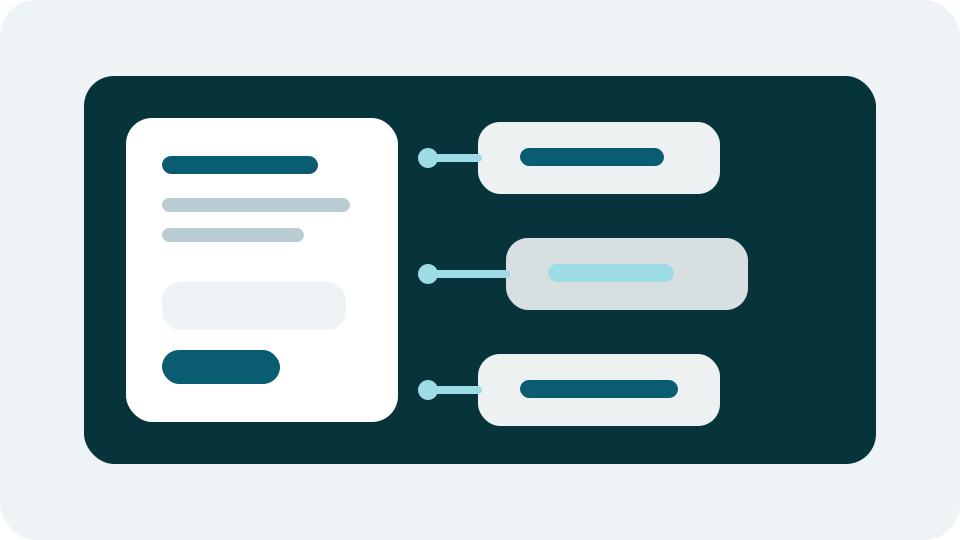
A service page has one primary job
A service page should help the right visitor decide whether the service fits their problem. That means it needs more than a short description and a contact button. It should explain who the service is for, what the business actually does, how the process works, and what a qualified next step looks like.
Good service page structure reduces uncertainty. The visitor should not have to guess what is included, whether the business understands their situation, or how to start a conversation.
Core sections that support better leads
The exact layout should match the service, but most high-performing service pages share a similar information flow. They start with a clear promise, then move into problems, deliverables, process, proof, FAQs, related services, and a conversion-focused call to action.
This sequence works because it mirrors how buyers evaluate a service provider. They want clarity first, then confidence, then a low-friction path to act.
- A specific hero headline and short explanation of the service.
- Common problems the service solves.
- Deliverables or outcomes written in plain business language.
- A process section that explains how the work moves forward.
- Related services and internal links that support broader needs.
- A final CTA tied to contact or proposal intent.
Better structure can improve lead quality
A vague service page can generate vague inquiries. A clear service page can help visitors self-qualify before they reach out. By explaining fit, scope, process, and next steps, the page attracts prospects who understand the offer and are closer to a useful conversation.
That does not mean every detail belongs on the page. It means the page should remove the most common friction points while still inviting direct contact for project-specific details.
Service pages also carry SEO responsibility
For many businesses, service pages are the most valuable SEO pages on the site. They need unique metadata, semantic headings, internal links, descriptive copy, and enough depth to answer the search intent behind the service.
When every service is squeezed onto one page, the site has fewer opportunities to rank and fewer clear landing pages for campaigns, referrals, and internal links. Dedicated service pages create a cleaner growth system.
Continue exploring
Related Guidance and Examples
Related articles
Read Next
Conversion Strategy
What Makes a Website Conversion-Focused?
A conversion-focused website aligns message, structure, proof, speed, and calls to action around the decisions visitors need to make.
Web Design
Why SEO-First Web Design Matters Before You Launch
A website is easier to rank, maintain, and convert when SEO strategy shapes the structure before design files or development decisions are locked.